JOURNAL

Presence & Place

Reflections on nature, atmosphere, stillness, perception and the way landscape shapes how we experience place.

Calm waters of String Lake reflecting evergreen trees and the Teton Mountains beneath a blue evening sky, with rocks and fallen logs along the shoreline.

What Water Changes in a Space

Water changes how we experience a landscape. It reflects light, softens boundaries, creates movement and offers the eye a place to rest. Through photography, those qualities can travel beyond the landscape, bringing a sense of openness, stillness and quiet presence into the spaces we inhabit.

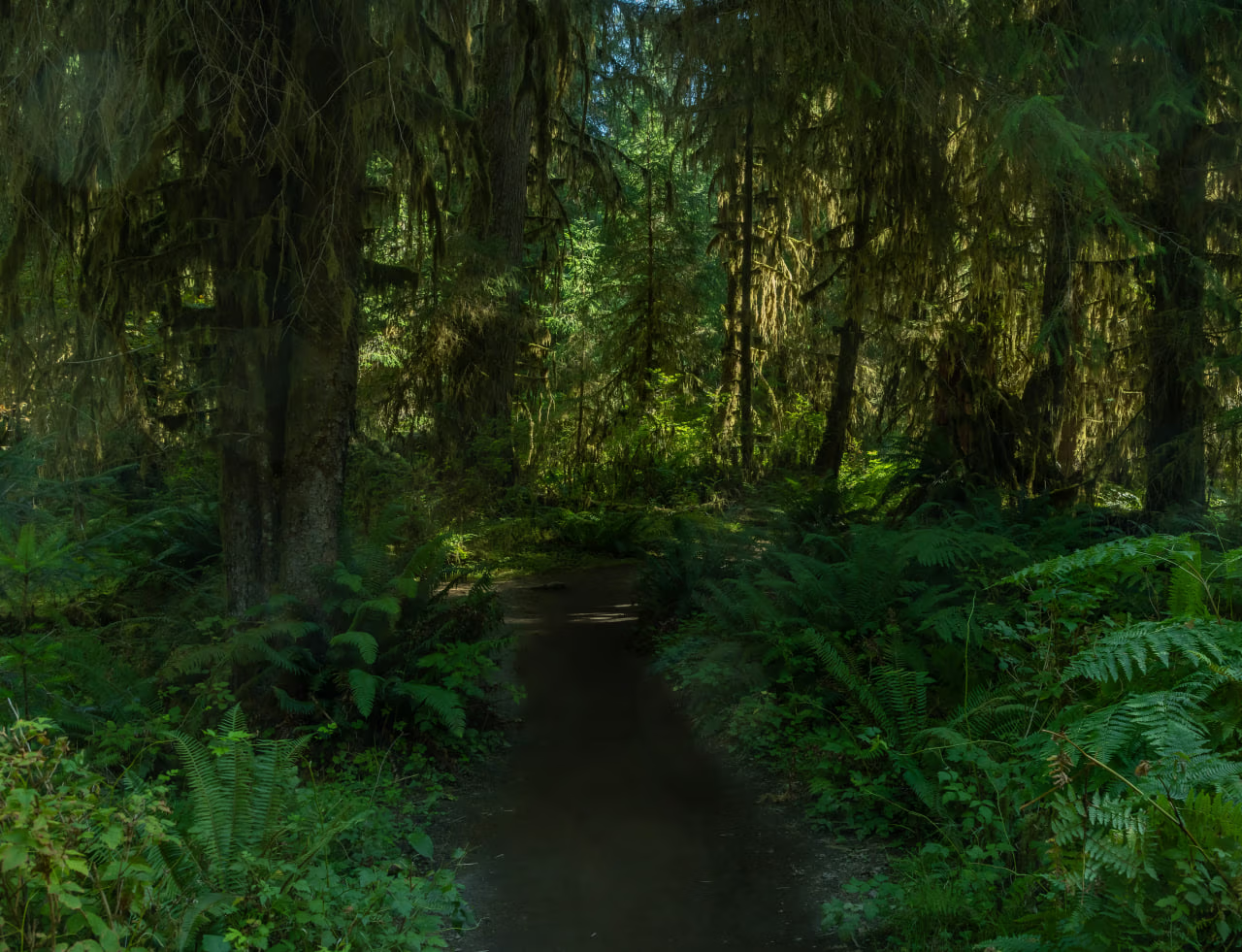
Rainforest trail surrounded by ferns and moss in Olympic National Park, Washington

The Quiet Architecture of a Forest

A forest creates a different kind of spaciousness. Instead of opening toward a distant horizon, it surrounds us with shelter, rhythm and depth. Through its natural architecture, a forest can create a sense of refuge — a place where the world feels closer, quieter and more contained.
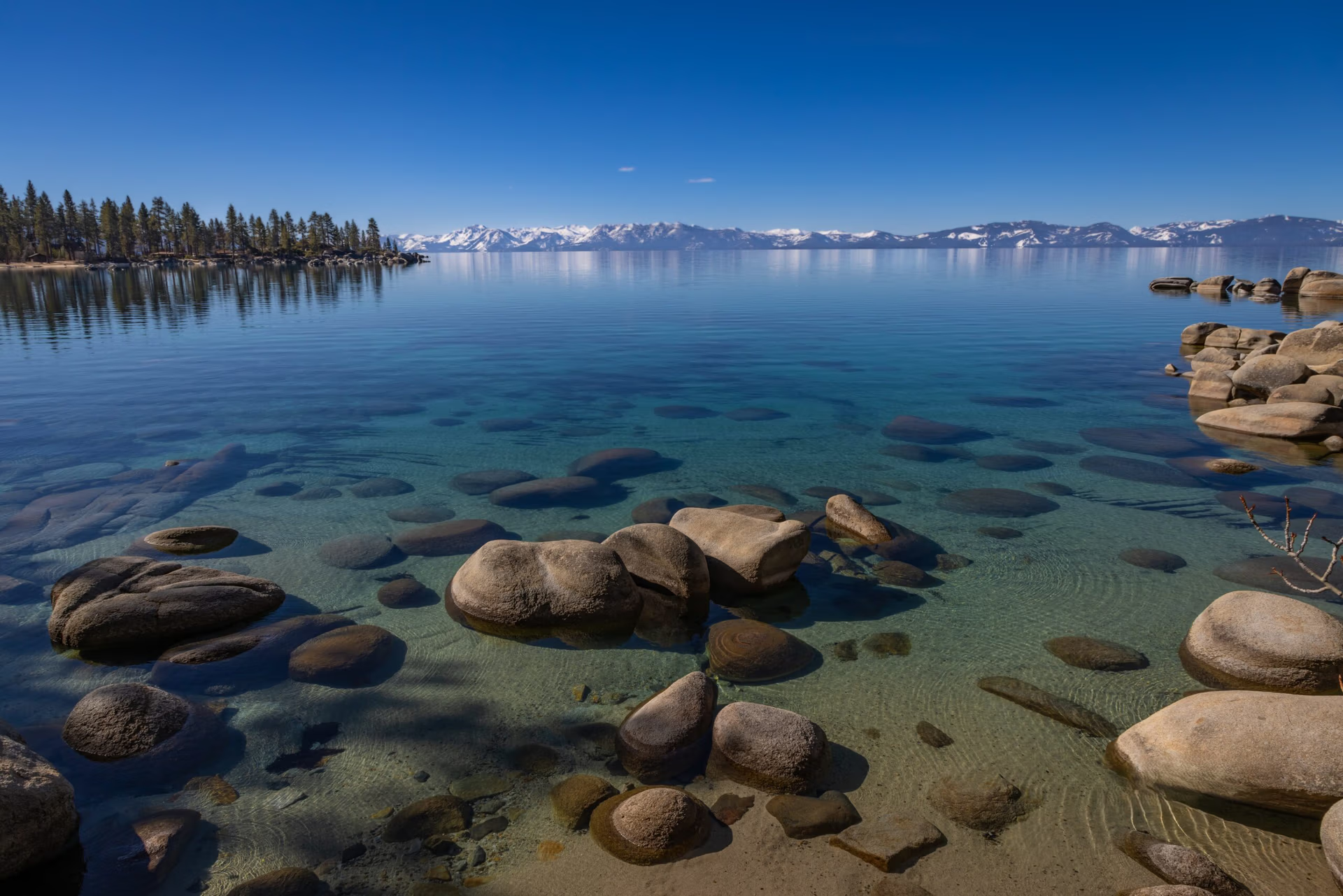
Clear Lake Tahoe water with shoreline stones and Sierra Nevada mountains in the distance.

Why Some Landscapes Make Us Feel More Spacious

Some landscapes seem to give us more room to think. Open horizons, distant mountains and broad expanses of water can create a sense of psychological space — even when we experience them through a photograph.